The Alamo
Rich Dad Poor DadThe Alamo is a place of military defeat that Rich Dad repeatedly invokes to teach a paradoxical lesson: losing need not end in defeat if it inspires people to learn, persist, and try again. In his account, the defenders’ decision to fight against overwhelming odds ends tragically, but the memory of the loss becomes a rallying cry—and a model for transforming failure into strength.
The Alamo as a Story of Defeat
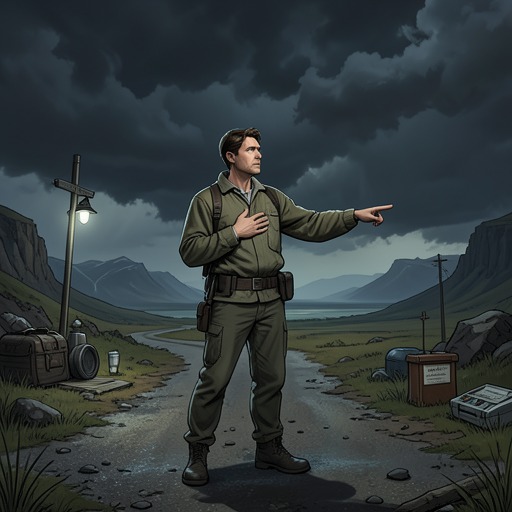
Rich Dad describes the Alamo as a story of brave people who chose to fight despite knowing there was no hope of success against overwhelming odds. They chose death rather than surrender. The account does not disguise the outcome as a victory: it calls the episode a tragic military defeat. That frankness is essential to the lesson. The Alamo matters not because the defenders won, but because their defeat could be remembered and used as a source of resolve.
The gap between the defenders’ courage and the military outcome gives the story its force. Rich Dad tells Mike and Robert T. Kiyosaki that the defenders “got their butts kicked.” The blunt phrasing refuses to soften failure, while the example challenges the assumption that losing makes an effort meaningless.
A Repeated Lesson for Mike and Robert
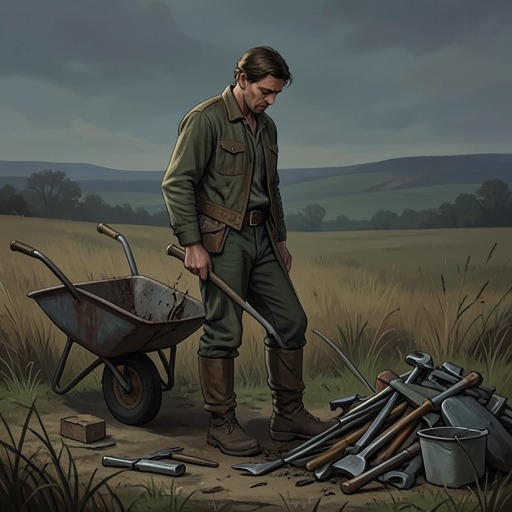
Rich Dad tells Mike and Robert the story often, particularly when Mike is about to enter a major deal and feels nervous. After completing due diligence, Mike reaches the point at which he must either commit or back away. Rich Dad’s story then serves as encouragement when Mike fears making a mistake or losing money. The Alamo is thus not merely a historical example in their conversations: it is a recurring prompt at the moment when analysis has ended and action requires courage.
The story helps Mike treat a possible financial loss as something he could learn from and turn into a later gain. Rich Dad does not present this as a desire to lose. Rather, he emphasizes the capacity to withstand a loss, become stronger and smarter, and keep moving when others retreat. His recurring appeal to the Alamo gives that capacity a memorable form: failure can become a rallying point rather than a reason to give up.
Memory, Tourism, and the Meaning of Failure
Rich Dad observes that Texans do not bury their failures; they draw inspiration from them and turn them into rallying cries. “Remember the Alamo!” condenses that process into a phrase: the remembered defeat becomes a public emblem of perseverance. He also points to the Alamo as a tourist destination that makes millions, arguing that a great failure has been converted into an enduring source of value. The historical loss and the place’s later economic significance form a pointed contrast in his lesson.
The Alamo’s wider significance in the book is therefore not a claim that every risk should be taken or every loss can be erased. Rich Dad’s advice is conditional: the decisive question is how a person responds to failure. As a recurring example, the Alamo supports his distinction between people whom loss defeats and those whom it motivates to improve. Its story links remembered defeat to courage in the present, making the past a practical resource for confronting uncertainty.